By Royal Woodwork
Furniture Restoration: Deciding What to Repair and Preserve
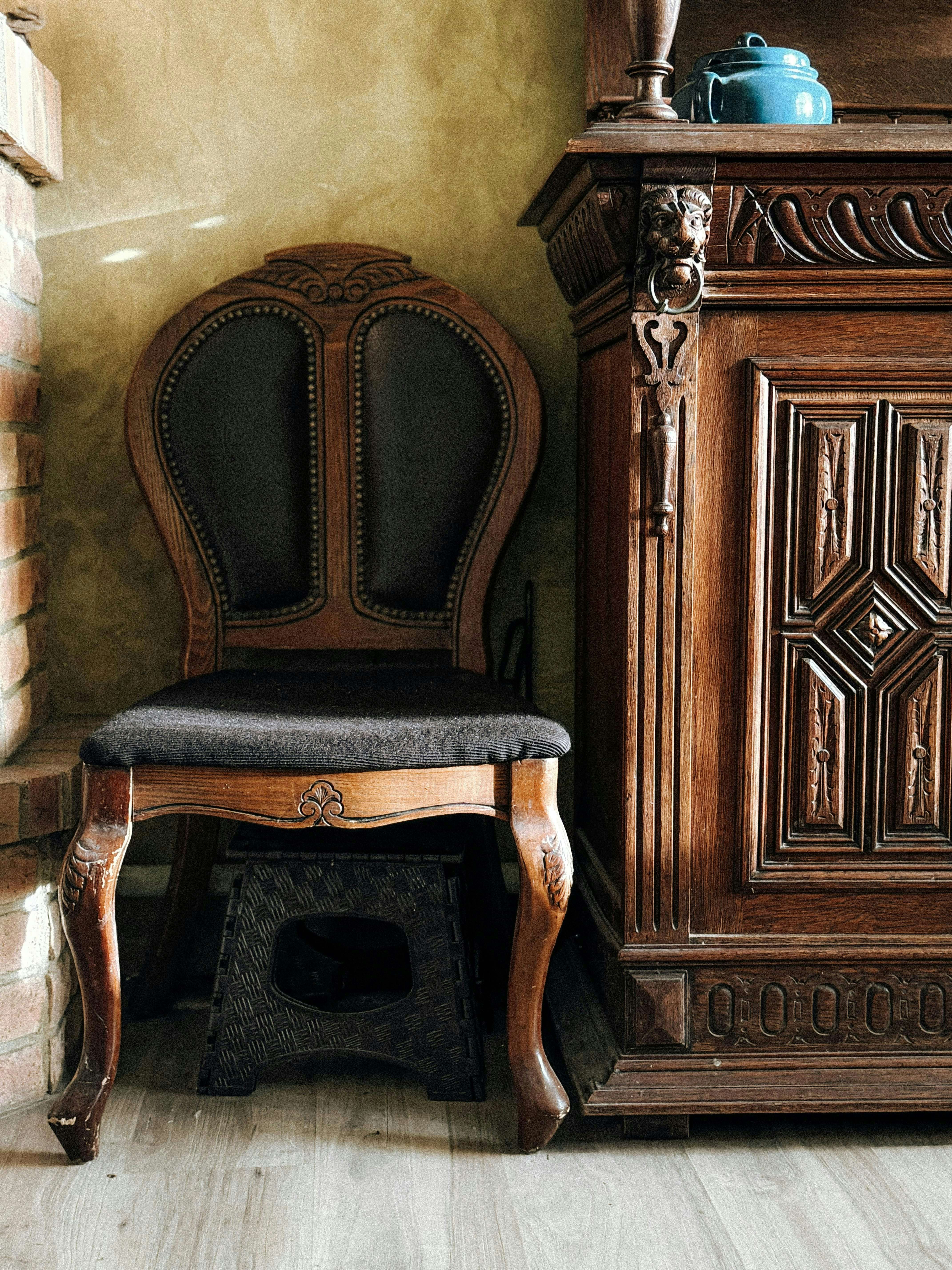
Furniture restoration begins with a simple question: what is worth preserving, and what does the piece need to remain useful? Age alone does not determine the answer. The condition of the timber, the quality of the original construction, the piece’s history, and the work required to restore it all need to be considered before repairs begin.
Start with the Condition of the Piece
A proper assessment looks beyond visible scratches or worn finishes. Loose joints, damaged veneer, split timber, wood movement, weakened supports, and previous repairs can all affect the work required.
Some damage may be largely cosmetic, while other problems can affect the structure of the furniture. Identifying these differences early helps determine whether a piece needs cleaning and refinishing, structural repair, replacement components, or more extensive restoration.
Preserve What Gives the Piece Character
Restoration does not always mean making an old piece look new. Original joinery, timber, tool marks, patina, hardware, and surface wear can all contribute to its character.
Where possible, these details should be assessed before they are removed or replaced. An appropriate restoration may involve repairing a damaged joint or stabilizing a worn surface while retaining evidence of the piece’s age and construction.
For older or historically significant furniture, restraint can be just as important as craftsmanship.
Repair, Replace, or Refinish
Different problems require different approaches. A loose joint may need to be dismantled and rebuilt, while a damaged surface may only require cleaning and a new finish. Missing components can sometimes be reproduced, but replacing original material unnecessarily can reduce the character and integrity of the piece.
The right approach depends on the condition of the furniture, the materials involved, and the intended result. Restoration should address the underlying problem rather than simply making the damage less visible.
Restoration Can Extend the Life of Good Furniture
Restoring an existing piece can also be a practical alternative to replacing it. When the underlying construction is sound, repairing and refinishing the furniture can preserve useful materials while extending its service life.
The decision should still be based on the condition and scope of the work. A piece requiring extensive reconstruction may involve more time and cost than a straightforward repair, while a well-made piece with limited damage may be an excellent candidate for restoration.
A useful restoration begins with understanding what is already there, what needs attention, and what should be left untouched.
Ready to bring your piece to life?
Pages
ADDRESS
123 Example Street, Portland
HOURS
Mon–Fri 8:00 AM–5:00 PM
SHOW ROOMS
Showroom – Example Location
Showroom – Another Example Location