By Royal Woodwork
Modern Carpentry: Where Craft Meets Practical Design
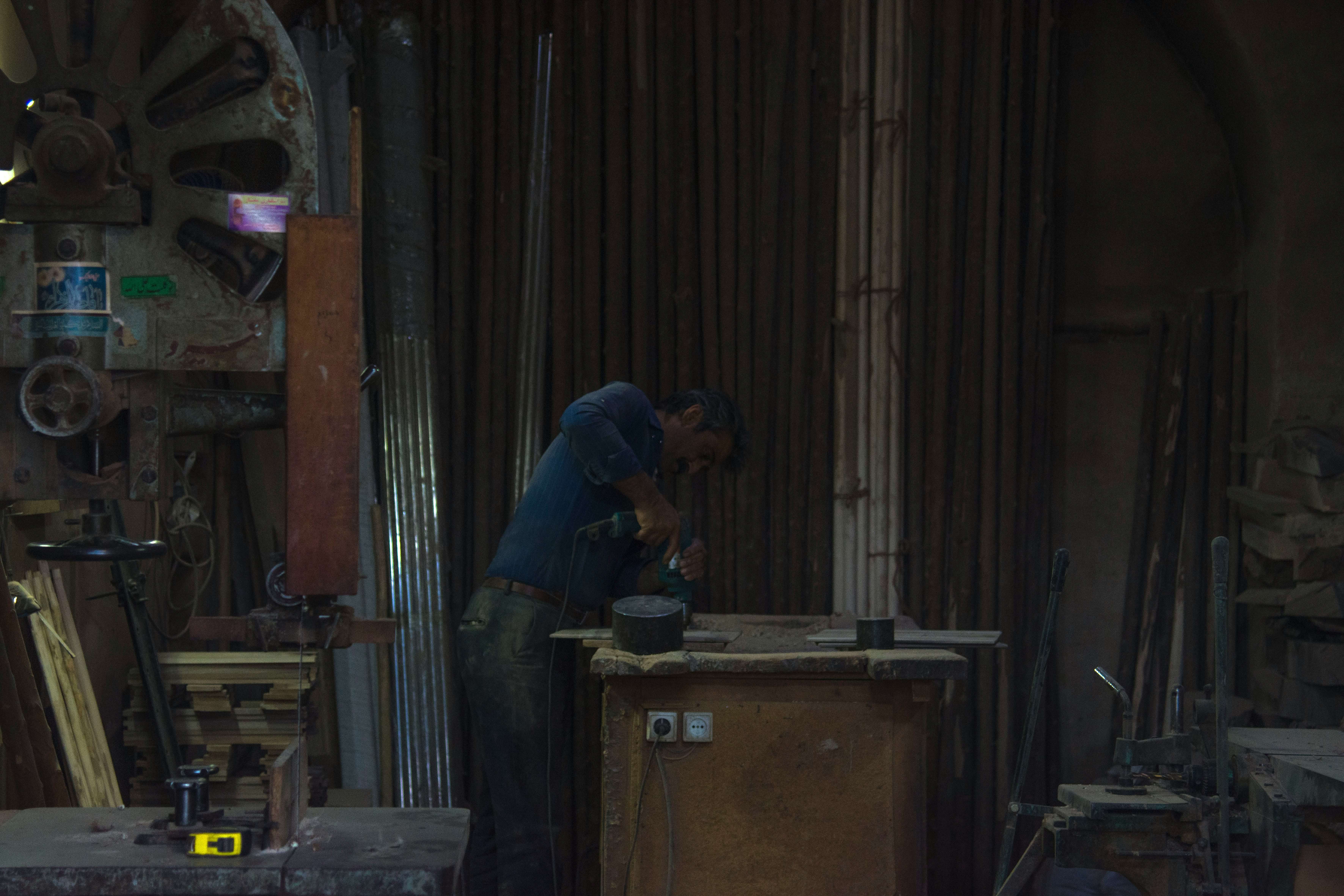
Custom carpentry is less about making something from wood and more about solving a specific need through material, proportion, construction, and finish. A piece may need to fit an unusual space, support a particular use, or work alongside existing architecture. The quality of the result depends on how well those decisions are considered before construction begins.
Start with the Space and Its Purpose
The best woodworking projects begin with how a space is actually used. A built-in cabinet may need to work around walls, sockets, doors, or uneven floors. A dining table needs proportions that suit the room and the number of people using it. Shelving may need to balance storage capacity with access and visual weight.
These constraints are part of the design rather than problems to solve later. Taking them into account early allows the construction, dimensions, and materials to work together.
Material Is Part of the Design
Timber choice affects more than appearance. Grain, movement, durability, availability, and the intended finish all influence how a piece should be built.
Hardwoods may be appropriate for surfaces that receive regular wear, while other applications may call for engineered boards or a combination of materials. The choice of finish also matters. Oil, lacquer, paint, or another treatment can change the appearance of the timber as well as how it responds to moisture, handling, and everyday use.
A considered material choice therefore begins with the requirements of the piece, not simply the appearance of a sample.
Construction Determines How a Piece Performs
Good carpentry is also defined by what is happening beneath the finished surface. Joinery, structural support, movement allowance, edge treatment, and fixing methods all affect how a piece behaves over time.
A cabinet, for example, may require different construction from a freestanding table even when both use the same timber. Doors need to remain aligned, shelves need adequate support, and larger panels need to account for natural movement in the wood.
These details may not always be visible, but they influence how confidently a piece can be used over years of everyday service.
Custom Work Creates Room for Better Decisions
Mass-produced furniture is designed around standard dimensions and repeatable production. Custom carpentry starts from the requirements of a particular space, object, or client.
That makes it possible to adapt dimensions, storage, materials, finishes, and construction details to the situation rather than forcing the space to accommodate a predetermined product.
The result is not necessarily more elaborate. Often, the most successful custom work is the simplest solution that fits the space properly, performs its intended function, and uses materials and construction appropriate to the job.
Ready to bring your piece to life?
Pages
ADDRESS
123 Example Street, Portland
HOURS
Mon–Fri 8:00 AM–5:00 PM
SHOW ROOMS
Showroom – Example Location
Showroom – Another Example Location